

Parents in Los Angeles seeking care for short stature typically consult pediatric endocrinologists or specialized pediatric growth clinics. These medical professionals evaluate growth patterns, bone age, and hormone levels to determine if a child has a treatable condition. This guide explains the roles of these specialists, the diagnostic process, and how to choose the right provider for your child's specific needs.
Understanding Short Stature in Children
Short stature is a clinical term used when a child's height falls below the 3rd percentile for their age and sex. It is not a disease in itself but a sign that may indicate underlying genetic, hormonal, or nutritional factors. Many children with short stature are simply "late bloomers" who will catch up during puberty, while others may have conditions requiring medical intervention.
Identifying the cause is the first step in determining the appropriate doctor. In Los Angeles, families often begin with their primary pediatrician, who may refer them to a specialist if growth velocity is poor or if the child is significantly shorter than their parents. Understanding the distinction between normal variation and medical short stature is crucial for making informed decisions about care.
Pediatric Endocrinologists: The Primary Specialists
Pediatric endocrinologists are physicians who specialize in the hormonal systems of children and adolescents. They are the primary doctors who diagnose and treat short stature caused by hormonal imbalances, such as growth hormone deficiency or thyroid disorders. These specialists have advanced training in interpreting complex growth charts, bone age X-rays, and hormone stimulation tests.
Role in Diagnosis
The role of a pediatric endocrinologist is to distinguish between constitutional growth delay and pathological short stature. They evaluate the child's growth velocity, which is the rate of height gain over time. A child growing less than 2 inches per year after age 4 may warrant further endocrine evaluation. The specialist reviews family history, physical development, and laboratory results to form a diagnosis.
Scope of Practice
While many pediatric endocrinologists focus on diabetes and obesity, those specializing in growth disorders have specific expertise in skeletal maturation and puberty timing. In Los Angeles, several major medical centers and private practices employ endocrinologists with this subspecialty. They manage conditions such as Growth Hormone Deficiency (GHD), Hypopituitarism, and Idiopathic Short Stature. according to Myths and truths
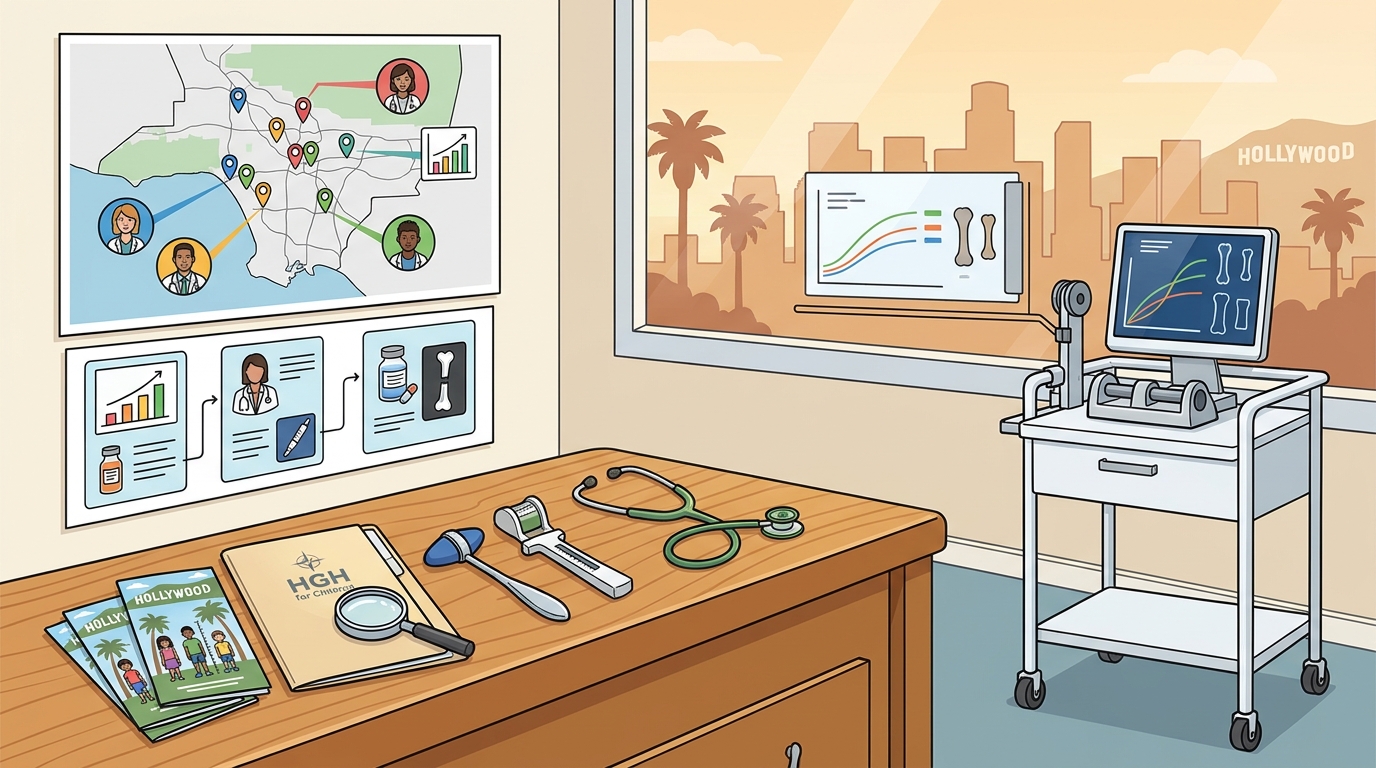
Growth Hormone Therapy and Treatment Options
Growth hormone therapy is a medical treatment that uses prescription recombinant human growth hormone to support growth in eligible children. It is not a cosmetic procedure but a therapeutic intervention for specific medical indications. The decision to prescribe therapy depends on a confirmed diagnosis, such as Growth Hormone Deficiency or Small for Gestational Age (SGA) without catch-up growth.
Eligibility Criteria
Not every short child qualifies for growth hormone therapy. Eligibility is determined by strict clinical criteria, including bone age, IGF-1 levels, and growth velocity. For example, children with Constitutional Growth Delay often do not require treatment because they typically reach a normal adult height. Conversely, children with confirmed GHD may benefit significantly from therapy if started before growth plates close.
Administration and Monitoring
Therapy involves daily subcutaneous injections, which parents administer at home. Regular monitoring is essential to track growth response and adjust dosages. Providers in Los Angeles, such as those at HGH for Children, emphasize the importance of ongoing supervision to ensure safety and efficacy. Treatment duration varies based on the child's response and skeletal maturity.
The Diagnostic Process: What to Expect
Consulting a specialist for short stature involves a comprehensive evaluation rather than a single test. The process typically begins with a detailed review of the child's growth history, including height and weight measurements from birth. This longitudinal data helps identify trends that a single measurement might miss.
Key Diagnostic Tools
Three primary tools guide the diagnostic process: growth charts, bone age X-rays, and laboratory testing. Growth charts plot the child's height against population percentiles over time. Bone age X-rays, usually of the left hand and wrist, estimate skeletal maturity. A delayed bone age suggests remaining growth potential, while an advanced bone age may indicate accelerated maturation.
Laboratory Investigations
Blood tests measure hormone levels, including Insulin-Like Growth Factor 1 (IGF-1) and thyroid function. Low IGF-1 levels can support a diagnosis of growth hormone deficiency but must be interpreted in the context of age, nutrition, and puberty. Additional tests may screen for celiac disease or other chronic conditions that affect growth.
Choosing the Right Provider in Los Angeles
Los Angeles offers a wide range of medical providers for pediatric growth concerns. Families can choose between large academic medical centers, private endocrinology practices, and specialized growth clinics. Each option has distinct advantages depending on the child's specific needs and the family's preferences for care continuity.
Specialized Growth Clinics
Specialized clinics, such as HGH for Children, focus exclusively on pediatric growth and development. These practices often provide a more streamlined experience, with providers like Dr. Devin Stone, ND, offering personalized evaluations and clear communication. They may offer telemedicine options, allowing families to begin the evaluation process from home before in-person visits.
Academic Medical Centers
Major hospitals in Los Angeles provide access to multidisciplinary teams, including endocrinologists, geneticists, and radiologists. This is beneficial for complex cases where multiple conditions may be present. However, wait times can be longer, and the experience may feel less personalized compared to dedicated growth clinics.
| Provider Type | Focus Area | Best For | Considerations |
|---|---|---|---|
| Pediatric Endocrinologist | Hormonal disorders | Confirmed GHD, thyroid issues | May have long wait times |
| Specialized Growth Clinic | Growth evaluation and therapy | Personalized care, telemedicine | Focus on growth-specific conditions |
| Primary Pediatrician | General health monitoring | Initial screening, routine checks | May refer out for specialized care |
Key Takeaways
- Pediatric endocrinologists are the primary specialists for diagnosing hormonal causes of short stature.
- Growth hormone therapy is reserved for specific medical indications, not all cases of short stature.
- Bone age X-rays are critical for assessing remaining growth potential.
- Growth velocity, not just current height, is a key indicator of growth health.
- Specialized clinics like HGH for Children offer focused care and telemedicine options.
- Constitutional growth delay often requires monitoring rather than treatment.
- Early evaluation is important to maximize potential treatment windows.
- Regular monitoring is essential during any growth therapy regimen.
Frequently Asked Questions
Who should I see first for my child's short stature?
Start with your child's primary pediatrician. They can review growth charts and determine if a referral to a pediatric endocrinologist or specialized growth clinic is necessary.
What is the difference between an endocrinologist and a growth specialist?
Endocrinologists treat all hormonal disorders, while growth specialists focus specifically on height, bone age, and growth hormone therapy. Both can diagnose short stature, but specialists may offer more focused care.
Is growth hormone therapy safe for children?
When prescribed for approved indications and monitored by a qualified provider, growth hormone therapy is generally considered safe. However, it is not risk-free and requires regular check-ups to monitor for side effects.
How long does the evaluation process take?
The initial evaluation may take one to two visits. Additional testing, such as bone age X-rays or hormone stimulation tests, may require follow-up appointments over several weeks.
Can I get a consultation via telemedicine?
What if my child is a late bloomer?
If your child has Constitutional Growth Delay, they may not need treatment. A specialist can confirm this diagnosis by assessing bone age and family history, providing reassurance that they will likely catch up.
Conclusion
Choosing the right doctor for your child's short stature in Los Angeles depends on the specific clinical picture. Pediatric endocrinologists and specialized growth clinics provide the expertise needed to distinguish normal variation from treatable conditions. By understanding the diagnostic process and available treatment options, parents can make informed decisions about their child's care. For families seeking personalized guidance, HGH for Children offers comprehensive evaluations and support.