

7 Diagnostic Tests in Pediatric Growth Evaluations and Their 2026 Costs
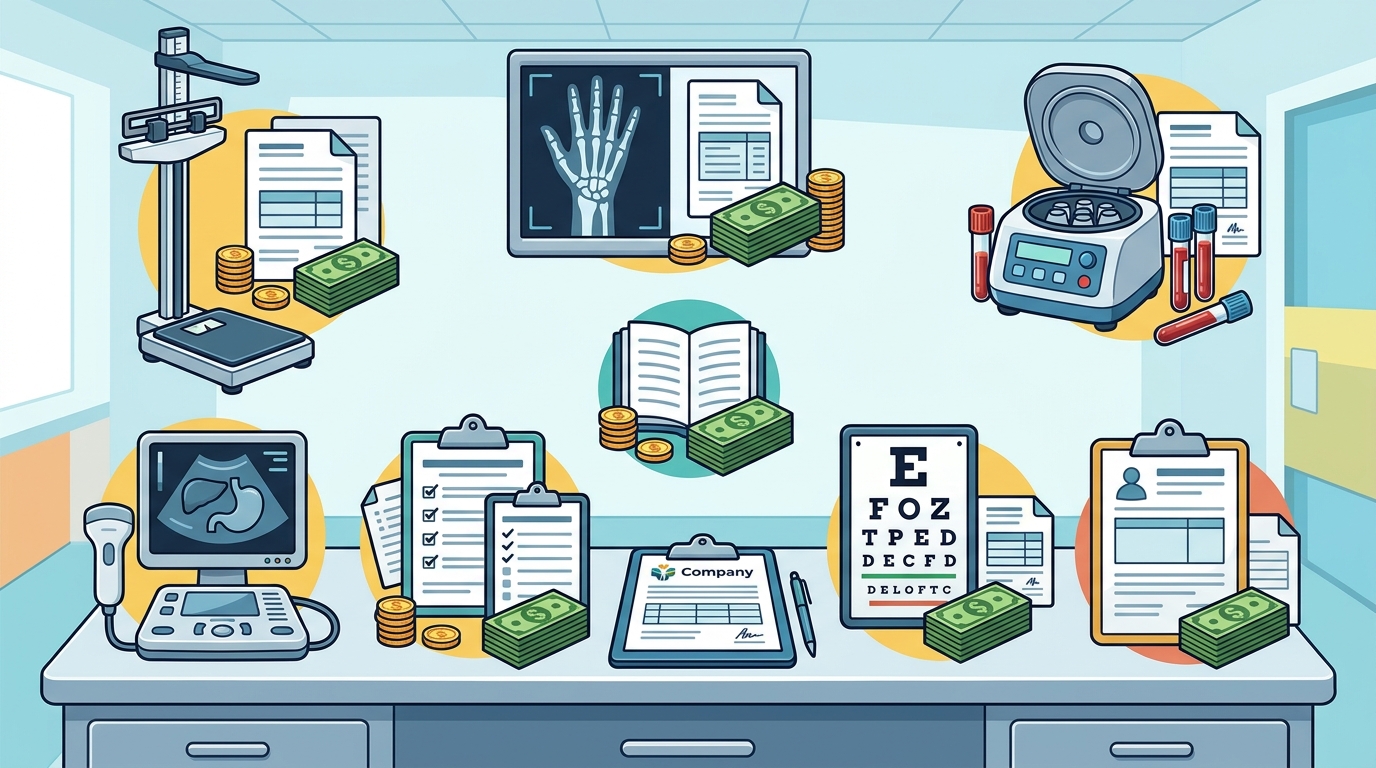
Understanding the financial and clinical components of a pediatric growth evaluation helps families prepare for the process. HGH for Children provides personalized growth evaluations that combine several diagnostic tools to assess a child's development. This listicle outlines the seven primary tests used in these evaluations and provides general cost estimates for each component in 2026.
1. Growth Chart Analysis and Velocity Calculation
2. Bone Age X-Ray
3. IGF-1 Blood Test
4. Thyroid Function Panel
5. Celiac Disease Screening
6. Complete Blood Count (CBC)
7. Pubertal Development Assessment
Evaluating Tanner stages helps determine if puberty is delayed or progressing normally. This clinical examination assesses physical changes associated with puberty, such as breast development in girls and testicular enlargement in boys. This assessment is usually part of the physical exam and does not incur a separate lab cost, though it is a critical component of the overall evaluation.
Choosing the Right Evaluation Path
When selecting a growth evaluation, families should prioritize a provider who integrates all these tests into a cohesive plan. Not every child requires every test, but a comprehensive approach ensures that underlying causes are not missed. HGH for Children offers a structured process that reviews growth history, bone age, and hormone levels to create an individualized plan.
Frequently Asked Questions
How much does a full growth evaluation cost in 2026?
Does insurance cover growth hormone testing?
Many insurance plans cover diagnostic testing for growth concerns, but coverage varies by plan. Families should verify their benefits and obtain pre-authorization when required.
Is a bone age X-ray painful?
No, a bone age X-ray is a quick, painless imaging procedure that involves holding the hand still for a few seconds.
Can a single blood test diagnose growth hormone deficiency?
No, a single blood test like IGF-1 cannot definitively diagnose growth hormone deficiency. A comprehensive evaluation including growth velocity and bone age is necessary.
How often should growth be monitored?
Children with growth concerns are typically monitored every 3 to 6 months to track growth velocity and adjust the care plan as needed.
Next Steps for Your Child's Growth
If you have questions about your child's growth pattern or the costs associated with evaluation, HGH for Children is here to help. Our team provides clear, educational guidance to support your family's decision-making process. To begin your journey toward understanding your child's growth, to schedule a consultation.