

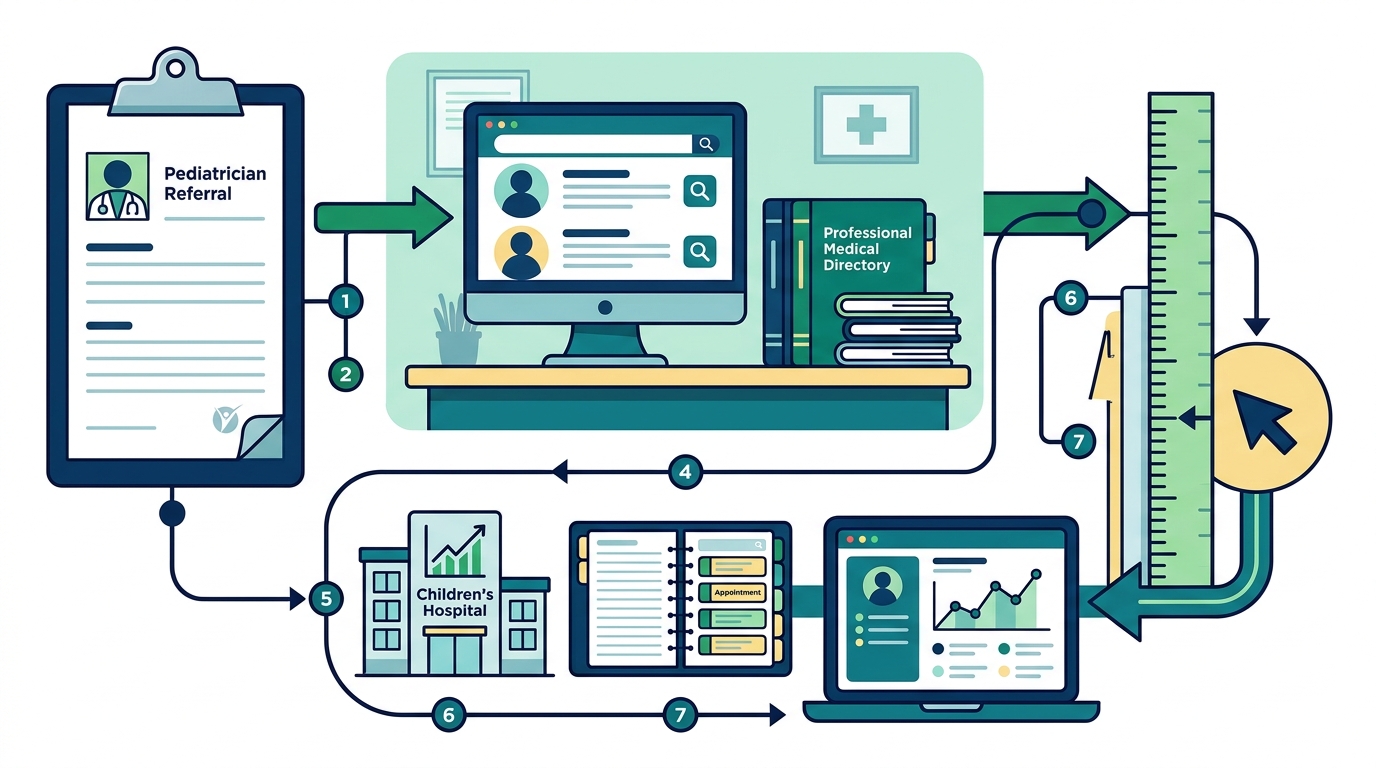
Parents can find doctors for growth evaluations through pediatrician referrals, pediatric endocrinologists, children's hospitals, and professional medical directories. This guide explains how to navigate these pathways to secure the right specialist for your child's growth concerns. We will cover the specific steps for each referral type and how to prepare for your first consultation. according to 7 tips for
Pediatrician Referrals
Your child's primary care pediatrician is often the first point of contact for growth concerns. A pediatrician is a physician who specializes in the medical care of infants, children, and adolescents. They monitor growth velocity, which is the rate of height increase over time, during routine well-child visits. If a child's growth curve drops significantly or falls below expected percentiles, the pediatrician can initiate a referral to a specialist. according to 7 tips for
When to Request a Referral
Parents should request a referral if their child is growing less than two inches per year after age four. This threshold often indicates a need for further endocrine evaluation. The pediatrician will review the child's growth charts, family height history, and pubertal development before sending the referral. This initial assessment helps determine if the issue is constitutional growth delay or a potential hormonal imbalance.
Preparing for the Referral
Before the specialist appointment, gather all previous growth records from your pediatrician. These records provide the historical data necessary to calculate accurate growth velocity. Bring a list of any medications, dietary restrictions, or chronic health conditions. Having this information ready ensures the specialist can make a comprehensive assessment during the first visit.
Pediatric Endocrinologists
A pediatric endocrinologist is a doctor who specializes in the hormonal systems of children and adolescents. They are the primary specialists for diagnosing and treating growth hormone deficiency, thyroid disorders, and other endocrine conditions affecting height. These doctors have advanced training in interpreting bone age X-rays and hormone stimulation tests. They can distinguish between normal growth variations and medical conditions requiring treatment.
Scope of Practice
Pediatric endocrinologists evaluate a wide range of growth-related issues. This includes short stature, delayed puberty, and early puberty. They assess the pituitary gland, which produces growth hormone, and the thyroid gland, which regulates metabolism and growth. Their expertise allows them to identify subtle hormonal imbalances that a general pediatrician might miss. They also manage treatment plans for conditions like growth hormone deficiency.
Choosing the Right Specialist
When selecting a pediatric endocrinologist, consider their experience with specific growth disorders. Look for providers who offer comprehensive growth evaluations, including bone age assessment and IGF-1 testing. At HGH for Children, Dr. Devin Stone, ND, specializes in pediatric growth evaluation and hormone health. He focuses on short stature, poor growth velocity, and delayed puberty, providing personalized care for families in California.
Children's Hospitals
Advantages of Hospital-Based Care
Children's hospitals offer access to advanced diagnostic tools and research programs. They often have dedicated growth clinics that streamline the evaluation process. This can be beneficial for children with complex medical histories or multiple growth concerns. The hospital setting also allows for quick access to additional tests, such as MRI scans of the pituitary gland, if needed. according to Research from Ohio
Considerations for Families
While children's hospitals provide excellent care, they may have longer wait times for specialist appointments. Insurance coverage and network participation should be verified before scheduling. Families in California may find that specialized clinics like HGH for Children offer more personalized attention and faster access to evaluations. These clinics often focus specifically on growth and hormone health, providing a more targeted approach.
Professional Medical Directories
Professional medical directories are online platforms that list verified healthcare providers by specialty, location, and credentials. These directories allow parents to search for pediatric endocrinologists and growth specialists in their area. They often include patient reviews, provider bios, and contact information. Using these tools can help parents find doctors who match their specific needs and insurance plans.
How to Use Directories Effectively
When using medical directories, filter your search by specialty and location. Look for providers who explicitly mention pediatric growth evaluation or hormone therapy in their bios. Read patient reviews to gauge the provider's communication style and bedside manner. Verify that the provider is accepting new patients and that their office is conveniently located. This step-by-step approach helps narrow down the list of potential doctors. according to Research from Ohio
Verifying Credentials
Always verify a provider's credentials through official medical board websites. Check for board certification in pediatric endocrinology or related fields. Look for any disciplinary actions or complaints on file. This due diligence ensures that you are choosing a qualified and reputable doctor for your child's care. Directories like the American Board of Medical Specialties can help confirm these details.
| Provider Type | Primary Role | Best For | Typical Wait Time |
|---|---|---|---|
| Pediatrician | Initial screening and referral | Routine growth monitoring | Short |
| Pediatric Endocrinologist | Diagnosis and treatment of hormonal disorders | Complex growth issues | Medium to Long |
| Children's Hospital | Comprehensive multidisciplinary care | Severe or complex cases | Long |
| Specialized Clinic | Focused growth and hormone care | Personalized growth plans | Variable |
Key Takeaways
- Start with your pediatrician to establish a baseline and obtain a referral.
- Pediatric endocrinologists are the primary specialists for growth hormone issues.
- Children's hospitals offer comprehensive care but may have longer wait times.
- Use professional medical directories to find verified specialists in your area.
- Verify provider credentials and insurance coverage before scheduling.
- Prepare by gathering all previous growth records and medical history.
- Consider specialized clinics like HGH for Children for focused growth care.
- Communication and provider experience are key factors in choosing the right doctor.
Frequently Asked Questions
What is the first step in finding a growth evaluation doctor?
The first step is to consult your child's primary care pediatrician. They will review growth charts and determine if a referral to a specialist is necessary. This ensures that the evaluation is medically indicated and properly documented.
How long does it take to get a specialist appointment?
Wait times vary by location and provider. It can take several weeks to a few months to secure an appointment with a pediatric endocrinologist. Specialized clinics may offer faster access depending on their current patient load.
Do I need insurance to get a growth evaluation?
Insurance is not strictly required, but it can significantly reduce costs. Many providers offer cash-pay options or payment plans. It is important to verify coverage and network participation before scheduling.
What should I bring to the first appointment?
Bring all previous growth records, medical history, and a list of current medications. Having this information ready helps the doctor make a comprehensive assessment during the first visit. It also saves time and ensures nothing is overlooked.
Can any doctor diagnose growth hormone deficiency?
Only a qualified specialist, such as a pediatric endocrinologist, can diagnose growth hormone deficiency. This diagnosis requires specific hormone testing and clinical evaluation. General pediatricians can refer but typically do not perform the definitive diagnostic tests.
Is telemedicine an option for growth evaluations?
How do I know if a specialist is right for my child?
Look for a provider with experience in your child's specific condition. Read reviews and check credentials. A good specialist will communicate clearly and provide a personalized treatment plan. At HGH for Children, Dr. Stone focuses on individualized care for growth concerns.
Conclusion
Finding the right doctor for a pediatric growth evaluation requires a strategic approach. Start with your pediatrician, then consider referrals to pediatric endocrinologists or children's hospitals. Use professional directories to verify credentials and find providers who accept your insurance. For families in California seeking specialized care, HGH for Children offers personalized growth evaluations led by Dr. Devin Stone. To begin your child's growth journey, to schedule a consultation.