

When a child's growth pattern deviates from expected norms, a pediatric endocrinologist is the specialist best equipped to investigate the underlying hormonal causes. These physicians focus on the endocrine system, which regulates growth, metabolism, and development. At HGH for Children, we emphasize that a thorough evaluation by a growth specialist is the critical first step before considering any treatment. Understanding what these specialists do helps parents make informed decisions about their child's health.
The Role of a Pediatric Endocrinologist
A pediatric endocrinologist is a physician who specializes in the diagnosis and treatment of hormonal disorders in children and adolescents. Unlike general pediatricians, these specialists focus deeply on how the body's glands and hormones interact to regulate physical development. They are trained to interpret complex growth charts, bone age assessments, and hormone levels that may indicate an underlying issue. This specialized knowledge allows them to distinguish between normal variations in growth and conditions that require medical intervention.
For example, a child who is short but growing at a normal rate may simply have a genetic predisposition for shorter stature. However, a child whose growth velocity has slowed significantly may have a hormonal deficiency. The endocrinologist's role is to identify these subtle differences. They do not just look at height; they look at the entire growth trajectory over time. This comprehensive view is essential for accurate diagnosis.
Diagnostic Tools and Evaluations
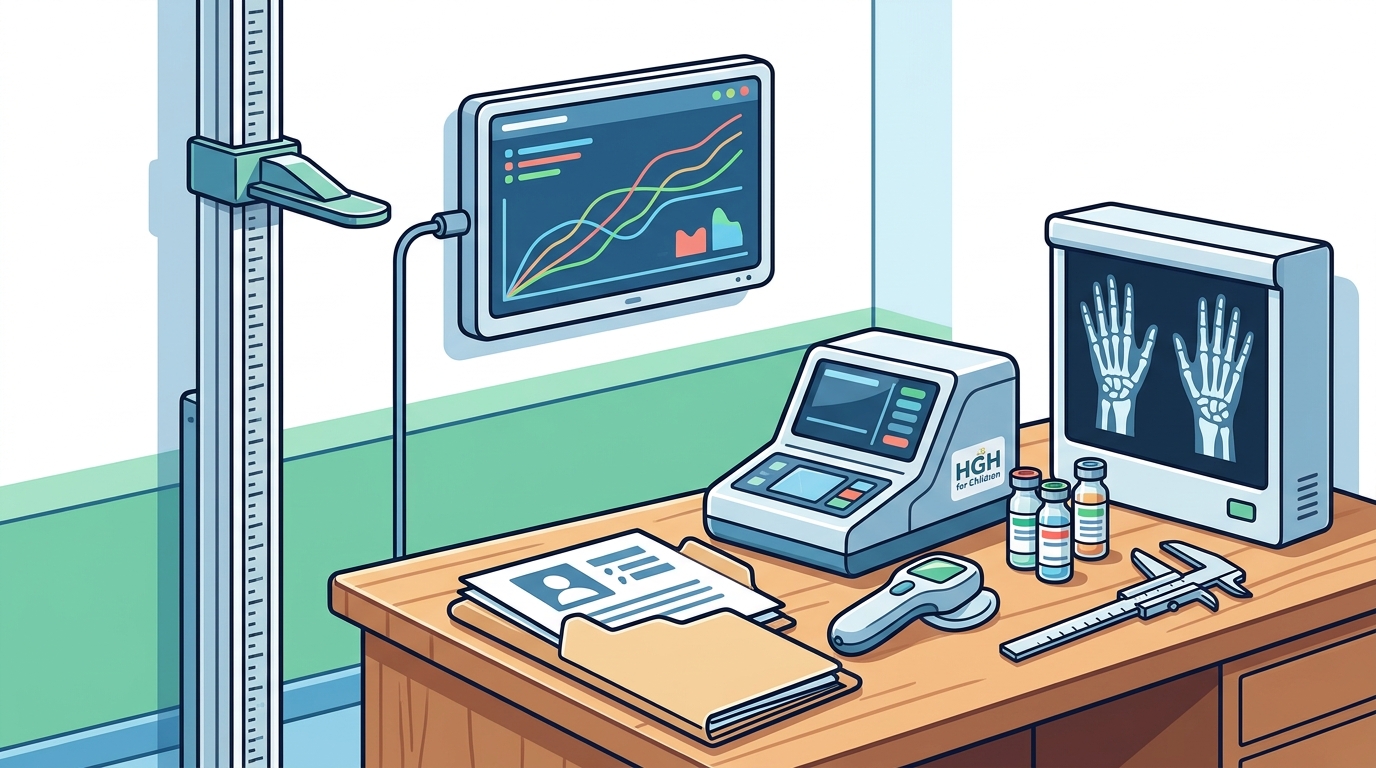
When evaluating a child's growth, pediatric endocrinologists utilize a specific set of diagnostic tools. The most common initial step is a detailed review of growth charts. These charts track height, weight, and body mass index over several years. A consistent pattern of falling percentiles is often a stronger indicator of a problem than a single low measurement. The specialist calculates growth velocity, which is the rate of height gain per year. For school-age children, growth of less than 2 inches per year may warrant further investigation.
Bone age assessment is another critical tool. This involves an X-ray of the left hand and wrist to determine skeletal maturity. A delayed bone age can indicate that a child has more growth potential remaining, while an advanced bone age may suggest that growth plates are closing sooner than expected. Additionally, blood tests are used to measure hormone levels. Insulin-like growth factor 1 (IGF-1) is a key marker of growth hormone activity. However, a low IGF-1 level alone does not confirm a diagnosis; it must be interpreted in the context of the child's overall health and growth pattern.
Common Conditions Evaluated
Several conditions can affect a child's growth, and a pediatric endocrinologist is trained to identify them. Growth hormone deficiency (GHD) is one such condition, where the pituitary gland does not produce enough growth hormone. This can be congenital, meaning it is present from birth, or acquired due to injury or other factors. Another common finding is constitutional growth delay, often referred to as being a "late bloomer." Children with this condition grow more slowly and enter puberty later than their peers but typically reach a normal adult height. Distinguishing between GHD and constitutional delay is a primary function of the endocrinologist.
Other conditions include idiopathic short stature, where a child is significantly short without an identifiable medical cause. Small for gestational age (SGA) is another factor, where a child is born smaller than expected for their gestational age. While many SGA children experience catch-up growth, some may remain short. The endocrinologist evaluates these factors to determine if treatment is appropriate. It is important to note that not every short child has a medical condition; family genetics play a significant role in final height.
When to Seek a Specialist Evaluation
Parents should consider seeking a pediatric endocrinologist evaluation if they notice specific changes in their child's growth. A decline in height percentiles over time is a key indicator. If a child who was previously in the 50th percentile drops to the 10th percentile, this change in trajectory deserves professional attention. Additionally, if a child has not started puberty by age 13 for girls or 14 for boys, an evaluation may be appropriate. Delayed puberty can be a sign of underlying hormonal issues that may also affect growth.
Other signs include a growth spurt that has not occurred by the expected age, or a child who appears significantly younger than their peers. It is also important to consider family history. If both parents are short, the child's height may be within the expected family range. However, if the child is significantly shorter than the mid-parental height prediction, further evaluation is warranted. At HGH for Children, we encourage parents to bring all previous growth records to their consultation. This data is invaluable for the specialist to assess the child's growth history accurately.
Choosing the Right Specialist
Selecting the right pediatric endocrinologist is important for ensuring your child receives the best care. Look for a provider who takes a comprehensive approach to growth evaluation. This includes reviewing growth charts, assessing bone age, and interpreting hormone levels in the context of the child's overall health. A good specialist will explain the findings in plain language and provide a clear plan for next steps. They should be willing to discuss all options, including monitoring, lifestyle changes, and medical treatments.
It is also beneficial to choose a clinic that offers personalized care. Growth concerns are rarely simple, and a one-size-fits-all approach may not be effective. A specialist who takes the time to understand your child's unique situation can provide more accurate guidance. At HGH for Children, our team focuses on individualized treatment planning. We combine comprehensive laboratory evaluation, growth monitoring, and bone age interpretation to build a clear picture of your child's development. This thorough approach helps identify important growth factors and supports informed decisions throughout the evaluation process.
Key Takeaways
- A pediatric endocrinologist is a specialist who diagnoses and treats hormonal disorders affecting growth in children.
- Growth velocity, or the rate of height gain per year, is often more important than a single height measurement.
- Bone age assessment via X-ray helps determine skeletal maturity and remaining growth potential.
- Constitutional growth delay is a common cause of short stature that typically resolves without treatment.
- Not all short children have a medical condition; family genetics play a major role in adult height.
- A comprehensive evaluation includes growth charts, bone age, and hormone testing.
- Choosing a specialist who offers personalized, data-driven care is essential for accurate diagnosis.
Frequently Asked Questions
What is a pediatric endocrinologist?
A pediatric endocrinologist is a doctor who specializes in the hormonal systems of children and adolescents, including those that regulate growth and development.
How is bone age determined?
Bone age is determined through an X-ray of the left hand and wrist, which is compared to standard images to assess skeletal maturity.
What is growth velocity?
Growth velocity is the rate at which a child grows in height over a specific period, usually measured in inches or centimeters per year.
Does every short child need treatment?
No, not every short child needs treatment. Many children are short due to genetics or constitutional delay and will reach a normal adult height without intervention.
What tests are involved in a growth evaluation?
A growth evaluation typically includes a review of growth charts, a bone age X-ray, and blood tests to measure hormone levels such as IGF-1.
When should I see a specialist?
You should see a specialist if your child's growth percentiles are declining, if they are growing less than 2 inches per year, or if puberty is significantly delayed.
Next Steps for Parents
If you have concerns about your child's growth, the first step is to gather their medical records, including growth charts from previous pediatric visits. This data will help the specialist understand your child's growth history. You can then schedule a consultation with a growth specialist to discuss your findings. At HGH for Children, we are here to help you understand your child's growth and development. Our team provides clear, evidence-based guidance to support your family's decisions.