

Monthly costs for pediatric growth hormone therapy vary significantly based on the specific medication, dosage, and insurance coverage. Families often encounter different financial structures depending on whether they use insurance or pay cash. Understanding these tiers helps parents plan for the financial commitment of treatment.
Tier 1: Insurance-Subsidized Monthly Costs
Insurance coverage typically reduces out-of-pocket expenses to a manageable monthly range. Most commercial insurance plans cover a portion of the medication cost, leaving families responsible for copays or coinsurance. The exact amount depends on the specific plan, deductible status, and the number of units prescribed. This tier is the most common for families with comprehensive health coverage.
Tier 2: Standard Cash-Pay Monthly Costs
Standard cash-pay rates reflect the full cost of the medication without insurance assistance. For children requiring standard doses of recombinant human growth hormone, monthly costs can be substantial. Prices vary by brand and formulation, with daily injections often costing more than long-acting alternatives. Families in this tier should verify the exact unit price with their pharmacy before starting treatment.
Tier 3: High-Dose or Specialized Formulation Costs
Higher doses or specialized long-acting formulations result in the highest monthly price points. Some children require larger doses due to their weight or specific medical conditions, which increases the total monthly cost. Long-acting products, which are administered less frequently, often carry a higher per-dose price. This tier applies to patients with complex medical histories or those who prefer less frequent injections.
Tier 4: Discounted Cash-Pay and Assistance Programs
Manufacturer assistance programs and cash-pay discounts can lower the effective monthly cost. Many pharmaceutical companies offer savings cards or patient assistance programs for uninsured or underinsured families. These programs may reduce the out-of-pocket cost significantly, sometimes by a fixed percentage or a set dollar amount. Families should check eligibility requirements, as some programs have income limits or insurance exclusions.
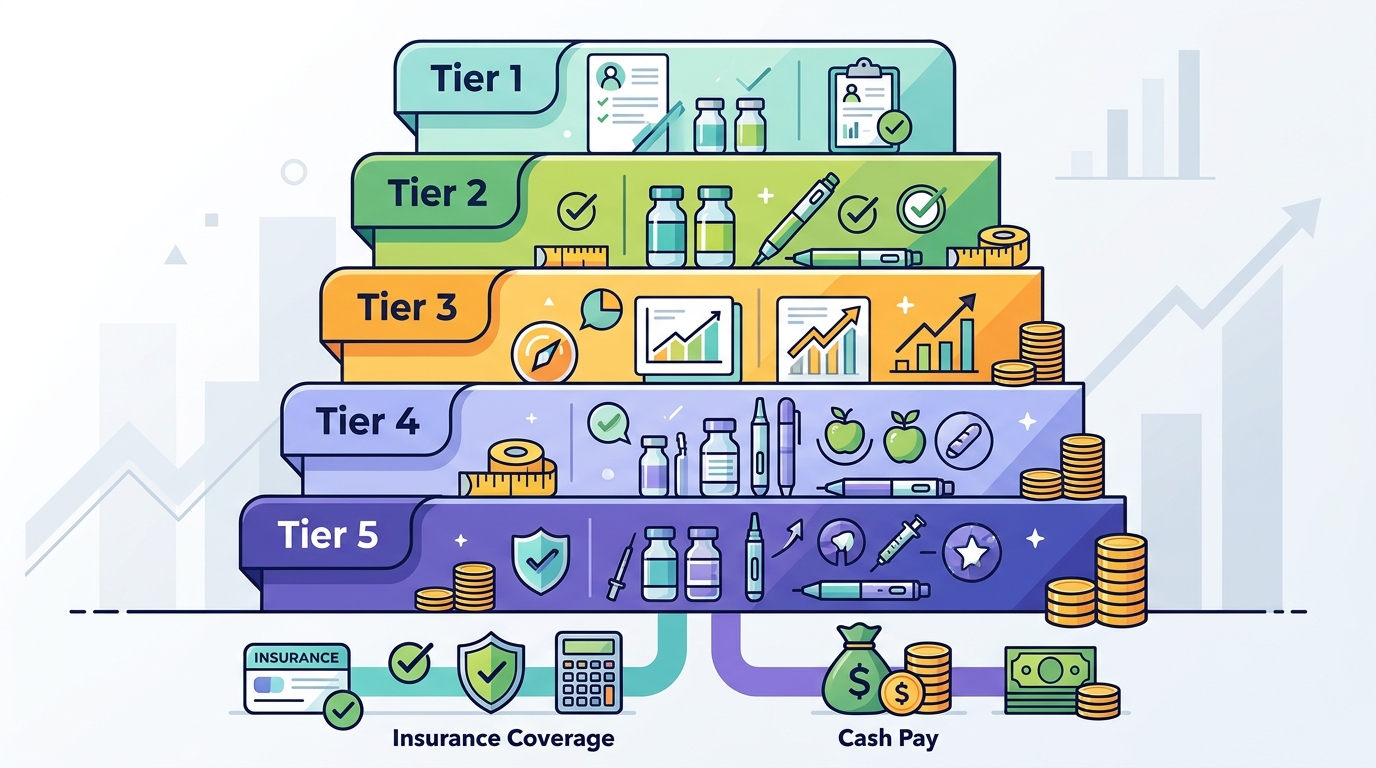
Tier 5: Alternative or Adjunctive Therapy Costs
Alternative therapies like Sermorelin or adjunctive treatments have different pricing structures. Sermorelin, a growth hormone-releasing hormone analog, is often less expensive than recombinant HGH but may require different insurance approval processes. Adjunctive treatments, such as nutritional supplements or physical therapy, add to the overall monthly budget. These costs are separate from the primary medication and should be factored into the total financial plan.
Choosing the right tier depends on your child's specific medical needs, insurance status, and family budget. A comprehensive evaluation at HGH for Children can help determine the most appropriate treatment plan and associated costs. To discuss your options, .
Frequently Asked Questions
Does insurance cover growth hormone therapy for children?
Most commercial insurance plans cover growth hormone therapy when it is prescribed for an FDA-approved indication. Coverage varies by plan, so families should verify their specific benefits and out-of-pocket costs with their insurer.
How much does cash-pay growth hormone therapy cost per month?
Are there financial assistance programs for growth hormone therapy?
Yes, many pharmaceutical manufacturers offer patient assistance programs and savings cards for families who are uninsured or underinsured. Eligibility criteria vary, and families should check with the manufacturer or their provider for details.
Is Sermorelin cheaper than recombinant HGH?
Sermorelin is often less expensive than recombinant human growth hormone, but it is not FDA-approved for the same indications. Insurance coverage for Sermorelin may be more limited, and families should discuss the pros and cons with their provider.
How can I estimate the total cost of growth hormone therapy?
The total cost includes the medication, administration supplies, and regular monitoring visits. A provider can help estimate these costs based on your child's specific treatment plan and insurance coverage.